Ultimate Guide to Mastering Effective Water Storage Strategies for Preppers
Understanding Essential Elements for a Reliable Water Storage System
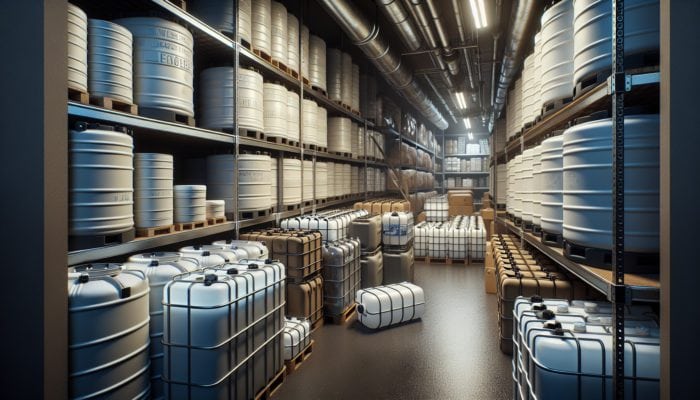
To create effective prepper water storage, it is crucial to understand the key components required for a reliable water storage system. The selection of suitable containers is fundamental; materials like food-grade plastic and stainless steel are highly recommended due to their exceptional resistance to corrosion and contamination. Additionally, evaluating the capacity of your containers is equally important, as it directly affects the amount of water you can store based on your available space and the specific scenarios you expect to encounter. It is vital to comprehend your personal or community needs to formulate a comprehensive and effective water storage plan tailored to meet those requirements.
What Key Factors Should You Consider for Your Water Storage Needs?
Several critical factors significantly influence the water storage requirements of individuals and communities alike. Your usage patterns, including daily consumption rates and the number of people relying on the stored water, profoundly shape how much water should be readily available at any given time. Moreover, environmental factors such as climate, seasonal changes, and proximity to local water sources also dictate necessary storage volumes. By thoroughly understanding these elements, you can better prepare for varied situations, ensuring you are well-equipped to address the challenges that may arise effectively.
What Are the Benefits of Different Water Storage Approaches?
Exploring the various methods of water storage reveals distinct advantages and disadvantages associated with each approach. For instance, tank systems can store substantial volumes of water, providing a continuous supply; however, they require considerable space and ongoing maintenance to ensure efficiency. In contrast, portable containers offer convenience for transportation and are ideal for scenarios necessitating mobility, although they may require more frequent refilling. Here are the primary benefits of each method to assist you in making informed decisions:
- Tank systems: High capacity and reliable supply.
- Portable containers: Flexibility and ease of mobility.
- Rainwater harvesting: Utilises natural resources and reduces utility costs.
- Underground cisterns: Protects against contamination and evaporation.
How Does Effective Water Storage Influence Your Emergency Preparedness?
Key Strategies to Optimise Your Water Storage Efficiency
The fundamental principles for effective water storage focus on ensuring both accessibility and safety. It is imperative to make stored water easily accessible during emergencies, and implementing clear labeling for identification can be invaluable in urgent situations. Furthermore, safety measures, including using UV-resistant containers and secure sealing techniques, help prevent contamination and maintain water quality over time. These practices become especially crucial during crises, where access to safe water can be a determining factor for survival.
How Can You Recognise Signs of Potential Water Storage Problems?
Regular monitoring of your water storage system is vital for early detection of potential issues. Common problems, such as water discoloration, unpleasant odours, or sediment accumulation, can indicate contamination. By performing routine checks and taking immediate corrective actions, you can mitigate these concerns, ensuring your supplies remain safe and usable when they are needed most. Additionally, tracking the expiration dates for any water purification methods used is essential, as these can deteriorate over time and impact water quality.
What Innovative Storage Solutions Are Emerging to Meet Modern Demands?

Modern innovations in water retention emphasise adaptability and efficiency. Techniques such as smart water storage systems equipped with sensors allow for real-time monitoring of water levels and quality, enabling proactive management. This technology enhances planning by alerting users to potential issues before they escalate, ensuring continued access to clean water during emergencies. By integrating these cutting-edge solutions, you can significantly enhance your preparedness and response capabilities in critical situations.
Why Is Reliable Water Storage Essential for Disaster Response?
Dependable water storage serves as a cornerstone for effective disaster response, providing immediate access to clean water necessary for hydration, sanitation, and medical needs. By incorporating water resources into broader emergency protocols, communities can drastically improve their resilience to crises. Proper planning ensures that communities can swiftly mobilise their stored water, providing vital support to those most in need during disasters, which is crucial for survival and recovery.
What Regulations and Best Practices Should You Follow for Safe Water Storage?
Being well-informed about essential regulations and best practices for water storage promotes long-term reliability and safety. This includes adhering to local guidelines regarding water quality maintenance, following recommended storage limits, and ensuring community engagement plays a vital role in preparedness efforts. By adopting these practices, communities not only enhance their individual readiness but also strengthen collective resilience against emergencies, fostering a safer environment for all members.
Expert Insights on Ensuring Water Quality for Safety
What Techniques Are Effective for Water Treatment and Filtration?
Purifying stored water is crucial to ensuring its safety for consumption. Techniques such as boiling, employing chemical treatments using iodine or chlorine, and utilising filtration systems effectively eliminate harmful pathogens. Real-world examples illustrate that combining these methods increases safety; for instance, using a ceramic filter followed by chemical disinfection guarantees comprehensive purification, particularly in regions vulnerable to waterborne diseases. Understanding these purification techniques is essential for ensuring the safety of your water supply and protecting your health.
What Strategies Can Help in Long-Term Water Preservation?
To extend the usability of stored water, careful planning and routine maintenance are vital. Regularly inspecting storage containers for leaks and cleanliness, while rotating water supplies to avoid stagnation, is key to maintaining quality. Establishing a routine that incorporates these practices can significantly enhance water quality and prolong shelf life. Here’s a list of recommended maintenance routines to aid in this process:
- Inspect containers thoroughly every six months.
- Rotate water supplies annually to ensure freshness.
- Clean storage containers regularly to prevent contamination.
- Monitor water chemistry periodically to confirm safety.
What Risks Are Associated with Poor Water Handling Practices?
Improper handling of water storage can lead to serious health hazards. Contamination resulting from inadequate seals or unclean containers can introduce harmful pathogens, posing significant risks to users. To mitigate these risks, focus on careful selection of storage materials, regular cleaning, and thorough inspections to prevent mishandling. By ensuring that stored water remains safe for consumption, you can protect your health and that of your family during emergencies.
What Advantages Come from Implementing Effective Water Management Practices?
Core Components Necessary for a Reliable Water Storage Strategy
Effective management of water storage systems relies on several core elements, including their integration with existing resources and user-friendly design. Systems should be intuitive, enabling families to access and maintain their stored water easily. This approach simplifies daily use while reinforcing preparedness during emergencies, ensuring that families can efficiently handle unexpected situations as they arise.
How Can You Optimise Water Storage for Everyday Use?
Achieving a balance between storage capacity and daily needs is essential for maximising the effectiveness of your water resources. Practical adjustments, such as establishing a rotational usage schedule or investing in a dedicated filtration system for daily consumption, can significantly enhance overall outcomes. Implementing these methods guarantees that families have immediate access to safe water while maintaining sufficient reserves for emergencies, providing peace of mind during uncertain times.
How Are Advanced Monitoring Tools Used for Effective Water Management?
Incorporating advanced tools for tracking water levels enhances the overall efficiency of storage systems. Smart meters and sensors can alert users when water levels drop below a certain threshold, enabling proactive refilling before shortages occur. Implementing such technology helps prevent wastage and ensures a reliable water supply for all needs, ultimately supporting better management practices and resource allocation.
What Environmental Benefits Arise from Thoughtful Water Conservation Efforts?
Proper management of water storage not only conserves essential resources but also significantly contributes to environmental sustainability. By reducing reliance on municipal sources, we can lower pollution levels and protect aquatic ecosystems vital for biodiversity. Such efforts play a crucial role in mitigating climate change, illustrating the integral connection between water management and environmental health, which is increasingly important in today’s world.
What Economic Advantages Are Associated with Efficient Water Utilisation?
Implementing efficient water storage systems can lead to substantial economic benefits. Reduced water bills, improved resource allocation, and potential savings from recycling programs contribute to long-term financial stability. Households and businesses alike can enjoy these rewards by investing in conservation techniques, ultimately fostering greater resilience and sustainability within the community.
Proven Strategies for Implementing Effective Water Conservation Practices
What Basic Conservation Techniques Can You Implement?
By adopting fundamental conservation practices, you can significantly reduce waste in your water storage setups. Techniques such as repairing leaks, using mulch to retain soil moisture, and implementing more efficient irrigation methods can dramatically decrease water wastage. Real-world examples from communities embracing these practices showcase marked improvements in their overall conservation efforts, underscoring the importance of collective action in achieving sustainability.
Why Is It Critical to Integrate Backup Systems into Your Water Storage Strategy?
Incorporating backup systems into your water storage strategy adds a crucial layer of reliability. Redundant storage options can serve as a fail-safe, ensuring that the failure of a primary system does not lead to water shortages. This proactive approach enhances overall preparedness, allowing families to remain resilient in the face of unforeseen events, ultimately safeguarding their access to essential resources during emergencies.
How Can You Evaluate Water Storage Efficiency for Optimal Performance?
Assessing and enhancing water storage efficiency is a vital step toward ensuring long-term success. Regular evaluations should involve checking for leaks, monitoring water quality, and analysing usage patterns to identify areas for improvement. By implementing these assessments, users can continuously optimise their systems, fostering reliability and improved performance across the board.
What Effective Rainwater Harvesting Techniques Promote Sustainability?
Collecting and storing rainwater offers a sustainable alternative to traditional water sources. Techniques such as installing gutters, barrels, and underground tanks facilitate this process and can significantly reduce reliance on municipal supplies. Regions facing water scarcity have demonstrated remarkable reductions in water usage, with some areas achieving up to 50% less consumption by adopting rainwater harvesting, highlighting its potential as an effective conservation strategy.
What Sustainable Irrigation Practices Should You Adopt for Long-Term Benefits?
Eco-friendly irrigation techniques, such as drip irrigation systems and mulching, optimise water delivery while minimising evaporation loss. These strategies not only enhance soil moisture retention but also promote plant health and productivity. Continuous monitoring is essential to ensure these methods remain effective, ultimately contributing to long-term water conservation and sustainable agricultural practices that benefit both the environment and our food supply.
Essential Techniques for Implementing Effective Water Rationing
What Basic Guidelines Should You Follow for Effective Water Rationing Practices?
During periods of water shortages, straightforward rationing techniques can help allocate resources effectively and fairly. Emphasising equitable distribution is crucial to ensure all community members have access to necessary supplies. Establishing clear guidelines and communicating them effectively helps maintain order, supports community resilience during challenging times, and fosters a spirit of cooperation among residents.
What Common Challenges May Arise During Rationing Efforts?
Rationing may present various challenges, including resistance from individuals and difficulties in determining fair allocations. Addressing these challenges requires proactive communication and community engagement, allowing for collective problem-solving and adherence to rationing plans. Solutions such as forming designated rationing committees can streamline this process, enhance overall compliance, and ensure that everyone has access to essential resources during shortages.
How Can Rationing Be Made Sustainable for Future Generations?
Promoting sustainable water rationing necessitates long-term strategies that encourage resource longevity and responsible usage. Implementing educational programs focused on conservation, alongside community-based efforts to monitor usage patterns, can foster a culture of responsibility and awareness. These proactive approaches ensure that water resources remain available for future generations while adapting to changing environmental conditions and demands.
Frequently Asked Questions (FAQs)
What Is the Concept of Prepper Water Storage?
Prepper water storage refers to the practice of securely storing water to ensure its availability during emergencies or disasters, thereby promoting self-sufficiency and preparedness for various scenarios that may arise.
How Much Water Should I Store for Each Person?
The general guideline recommends storing at least one gallon of water per person per day, taking into account drinking, cooking, and hygiene needs to ensure adequate hydration and sanitation for all individuals.
What Types of Containers Are Best for Water Storage?
It is advisable to use food-grade plastic containers, stainless steel tanks, and glass bottles for water storage, as these materials are renowned for their durability and safety, effectively protecting water from contamination.
How Can I Maintain Water Quality Over Time?
To maintain water quality, regularly check stored water for clarity and odour, rotate supplies periodically, and clean containers to ensure that water remains safe for use and consumption throughout its storage period.
What Are the Signs of Contaminated Water?
Signs of contamination may include unusual colours, unpleasant odours, the presence of sediment, or visible growth within the water, all indicating that the supply is unsafe for consumption and requires immediate attention.
Can Rainwater Be Safely Used for Drinking?
Yes, rainwater can be safely utilised for drinking purposes, provided that proper collection and filtration methods are in place to eliminate potential contaminants and ensure its safety for consumption.
What Methods Are Effective for Treating Stored Water for Safety?
Common methods for treating stored water include boiling, using chemical disinfectants such as bleach, or employing filtration systems specifically designed to eliminate impurities and ensure safe drinking water.
What Is Involved in a Water Rationing Plan?
A water rationing plan outlines strategies for allocating limited water supplies fairly during shortages, ensuring that all community members have access to essential resources for survival and optimal wellbeing.
What Innovative Storage Solutions Are Emerging on the Market?
Emerging technologies include smart storage systems equipped with sensors that monitor water levels and quality, enhancing preparedness and response capabilities during emergencies and unexpected situations.
How Can I Create a Sustainable Irrigation System?
Implementing methods such as drip irrigation and utilising mulch can facilitate the creation of sustainable irrigation systems that optimise water use and promote long-term soil health and productivity.
Join the conversation on X today!
The post Prepper Water Storage: Essential Tips for Survival appeared first on Survival Bite.
The Article Water Storage for Preppers: Key Survival Tips Was Found On https://limitsofstrategy.com
References:
https://berwicktestandtag.com.au/water-storage-for-preppers-essential-survival-strategies/