Uncover the CISO Experience: Navigate the Dynamic Cybersecurity Landscape
Cybersecurity Insights: Welcome to the second episode of Series 3 of the CISO Experience, now streaming live on the Infosec Live channel. This compelling series engages in authentic discussions with leading security experts, focusing on the technological advancements, human elements, challenges, and emerging opportunities that are actively reshaping the cybersecurity environment. Our sponsor, Simple Security, firmly believes that cybersecurity should not be a complicated endeavour. They are dedicated to delivering enterprise-level security solutions that are accessible, affordable, and effective for businesses of all sizes and sectors.
Delve into Adam Pilton’s Inspiring Transition from Law Enforcement to Cybersecurity Expertise

Today, we are thrilled to welcome Adam Pilton, a passionate cybersecurity professional whose career began in 2016. Adam’s journey is both motivating and enlightening, commencing in the field of cybercrime investigation and later moving into advisory roles. His unique perspective merges technical expertise with practical application, enabling him to distill complex risks into actionable strategies for business executives, thereby enhancing their understanding of cybersecurity protocols and best practices.
Insightful Lessons from Adam’s Early Career in Law Enforcement
Adam embarked on his professional career as a police officer, dedicating 15 transformative years to this role. He led the covert operations unit, which encompassed three specialised teams: the Covert Authorities Bureau, Communications Data Investigators, and the Cybercrime Team. His responsibilities included obtaining lawful authorities for covert operations, tackling multifaceted issues across both physical and digital domains.
One of the most profound lessons Adam gleaned from his early experiences was the significant human impact of cyber threats. He interacted with victims, both individuals and organisations, witnessing firsthand the devastating effects of cybercrime. For instance, losing access to a Facebook account may seem trivial initially, but if it contains irreplaceable memories such as photographs of loved ones, the emotional ramifications can be severe and enduring, highlighting the real-world consequences of digital vulnerabilities.
Adam’s Strategic Shift to the Private Sector: Embracing a New Chapter in Cybersecurity
After 15 rewarding years in law enforcement, Adam recognised that he had reached the pinnacle of his career. The limited opportunities for expanding his team’s digital capabilities, coupled with the enticing prospect of frontline roles, prompted him to leave the police service. He subsequently joined Heimdal Security, attracted by their high-quality products and the opportunity to continue making a difference in the field of cybersecurity.
Identifying Cybersecurity Challenges and Emphasising the Need for Proactive Solutions

Adam asserts that the cybersecurity sector is grappling with a significant motivation dilemma. Despite continuous media coverage highlighting various cyber threats, many organisations acknowledge the urgent need for immediate action but struggle to implement effective solutions. The overwhelming complexity associated with cybersecurity often leaves companies unsure of where to begin their improvement journey, creating a pressing need for clear guidance and structured approaches.
To address this challenge, Adam advocates for the adoption of frameworks such as Cyber Essentials in the UK. These structured frameworks provide a clear roadmap for organisations to enhance their cybersecurity measures, enabling them to implement foundational practices while systematically advancing their capabilities. A recent study indicated that 60% of individuals who complete the Cyber Essentials programme gain new insights with each attempt, underscoring the importance of ongoing education and development in this rapidly evolving field.
The Crucial Role of Law Enforcement and Government in Strengthening Cybersecurity
Adam acknowledges that law enforcement agencies and government organisations play a vital role in assisting businesses with their cybersecurity needs. However, he also emphasises the necessity for the industry to enhance its approach to providing support. The outdated tactics of fear, uncertainty, and doubt used to promote cybersecurity solutions are no longer effective; businesses now demand more practical, actionable guidance and support, reflecting a shift towards a more collaborative approach.
Spotting Emerging Threats and Recognising Key Trends in Cybercrime
The landscape of cyber threats has evolved dramatically over the past decade, with attackers consistently staying several steps ahead of organisations. A notable trend is the resurgence of social engineering attacks, exemplified by groups like Scattered Spider. These sophisticated attacks often target IT help desks, employing advanced techniques that are frequently supported by artificial intelligence.
Adam further highlights the shift in cybercrime dynamics, moving from individual hackers to well-organised crime syndicates. These groups operate with the structure of legitimate businesses, complete with dedicated customer service teams. For example, platforms offering ransomware-as-a-service now provide legal counsel to assist in ransom negotiations, illustrating the alarming sophistication and professionalism of contemporary cybercrime.
Harnessing AI’s Dual Role in Enhancing Cybersecurity Defences
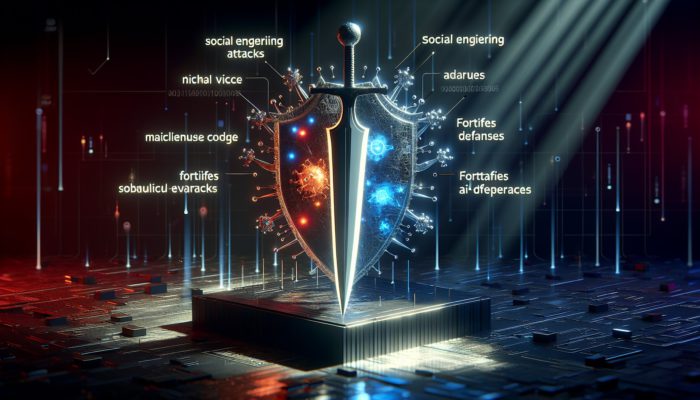
Artificial intelligence serves as a double-edged sword in the realm of cybersecurity. While it possesses the potential to amplify the effectiveness of social engineering attacks, it also presents valuable opportunities for defence and fortification. Adam believes that AI will play a pivotal role in empowering businesses to create more secure environments; however, it will also introduce new challenges that organisations must be proactive in managing to mitigate potential risks effectively.
Building a Security-Conscious Culture within Organisations
Creating a culture of security awareness is essential for establishing a robust cybersecurity strategy. Adam underscores the importance of embedding security principles into the core of an organisation’s culture, starting with the development of clear mission and vision statements. This comprehensive approach ensures that every employee understands their vital role in upholding security within the organisation, fostering a sense of shared responsibility.
To effectively engage employees, Adam advocates for making training relevant to their everyday lives. For example, illustrating the consequences of losing personal data, such as treasured photographs, on a social media platform can significantly enhance their understanding of the importance of cybersecurity in a practical and meaningful context, thereby promoting proactive behaviours and a security-first mindset.
Implementing Frameworks for Cybersecurity Maturity and Ongoing Development
For organisations embarking on their cybersecurity journey, Adam strongly recommends the implementation of structured frameworks like Cyber Essentials. These frameworks provide a clear, methodical approach to establishing security measures, thereby helping businesses avoid feelings of overwhelm while building a resilient foundation for their cybersecurity practices.
He also emphasises the critical importance of continuous improvement, as cybersecurity is an ongoing process rather than a one-off initiative. Organisations must consistently adapt and evolve their security posture to keep pace with the ever-changing threat landscape and the dynamic environments in which they operate, ensuring their strategies remain effective and relevant.
Visualising the Future of Cybersecurity: Opportunities and Challenges Ahead
Adam expresses optimism regarding the growing public awareness of cybersecurity. As younger generations become more tech-savvy, they bring an enhanced comprehension of cybersecurity principles into their workplaces. This shift in awareness has the potential to significantly assist businesses in cultivating more resilient security cultures, fostering a proactive approach to managing risks.
Furthermore, Adam identifies promising opportunities in artificial intelligence that could enable businesses to automate and enhance their security measures. However, he cautions that the rise of AI also introduces new challenges that organisations must be prepared to tackle, necessitating a balanced approach to harnessing its potential while mitigating associated risks.
Empowering Future Generations through Cybersecurity Education Initiatives
Adam asserts that a heightened focus must be placed on educating children about cybersecurity principles. While educational institutions currently implement various approaches to teaching these concepts, a more standardised curriculum could better prepare the next generation for the complexities of the digital landscape, ensuring they are equipped with the knowledge to navigate potential dangers.
Additionally, parents carry a crucial responsibility to educate their children about online safety. Adam suggests establishing clear boundaries regarding device usage and informing children about the dangers associated with sharing personal information online, thereby fostering an environment of awareness and caution from an early age.
Essential Insights from Adam Pilton’s Journey: Navigating the Complexities of Cybersecurity
Adam Pilton’s remarkable journey from police officer to cybersecurity professional offers invaluable insights into the significant human impact of cyber threats and the pressing need for practical, actionable security measures. As businesses navigate the intricate world of cybersecurity, structured frameworks like Cyber Essentials can serve as a robust foundation for developing a resilient security posture.
The future of cybersecurity brims with potential, characterised by heightened awareness and the transformative capabilities of AI to bolster security measures. Nevertheless, this evolving landscape also presents new challenges that businesses must actively address. By prioritising security awareness, cultivating an inclusive culture, and committing to continuous enhancement, organisations can effectively stay ahead of emerging threats and safeguard their most valuable assets.
The post Cybersecurity Insights: From Police to CISO appeared first on Ezi Gold.
The Article Cybersecurity Insights: Transitioning from Police to CISO Was Found On https://limitsofstrategy.com